Materials · 8 min read
Full Grain, Top Grain, Genuine, Bonded: What the Labels Mean
'Genuine leather' is the weakest claim on the shelf. Here is how to read a hide before you spend $400.
Marcus Adeyemi — Co-founder, leather · April 28, 2026

The bag that started this company was labelled 'genuine leather' and shed grey flakes onto a boardroom table after nine months. The label was not a lie — it was just close to meaningless. These four terms describe entirely different materials.
The four grades
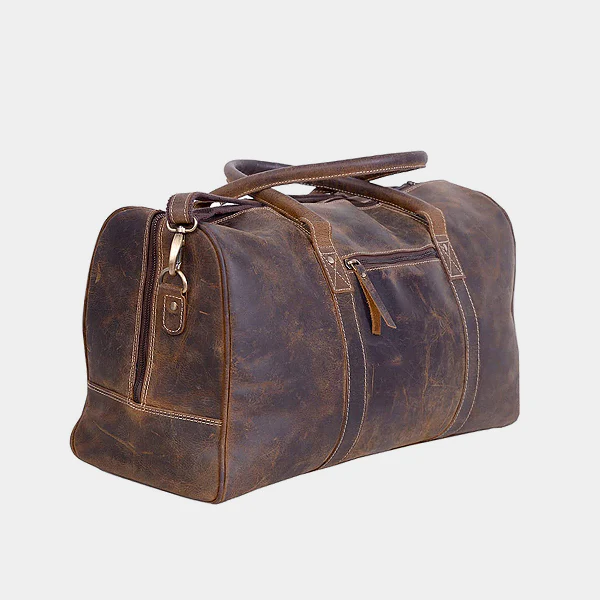
- Full grain — the outermost layer, nothing sanded off. Strongest fibres, visible pores and growth marks, best patina. Our duffles and briefcases.
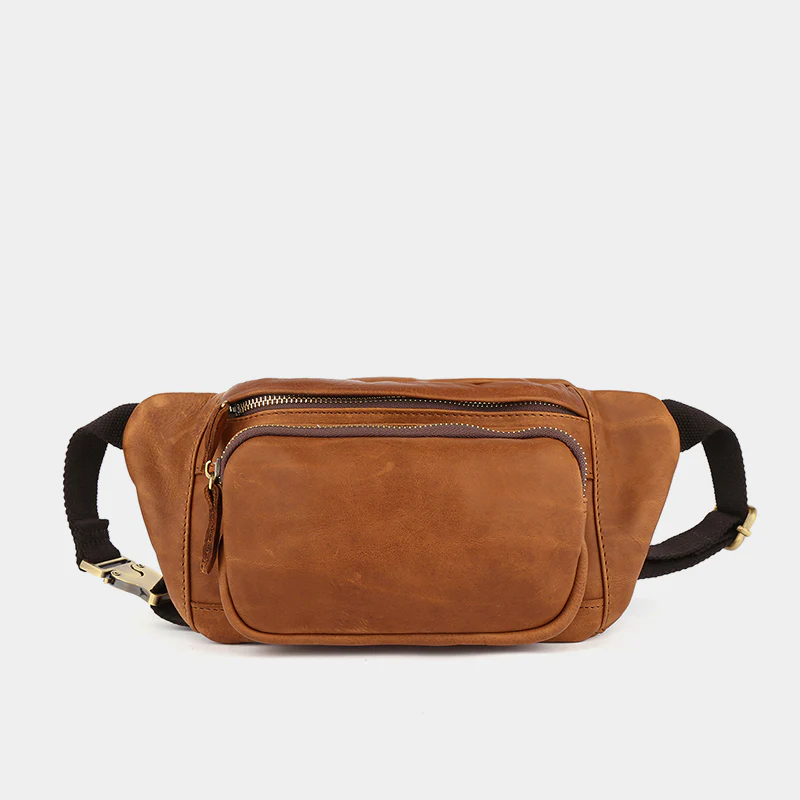
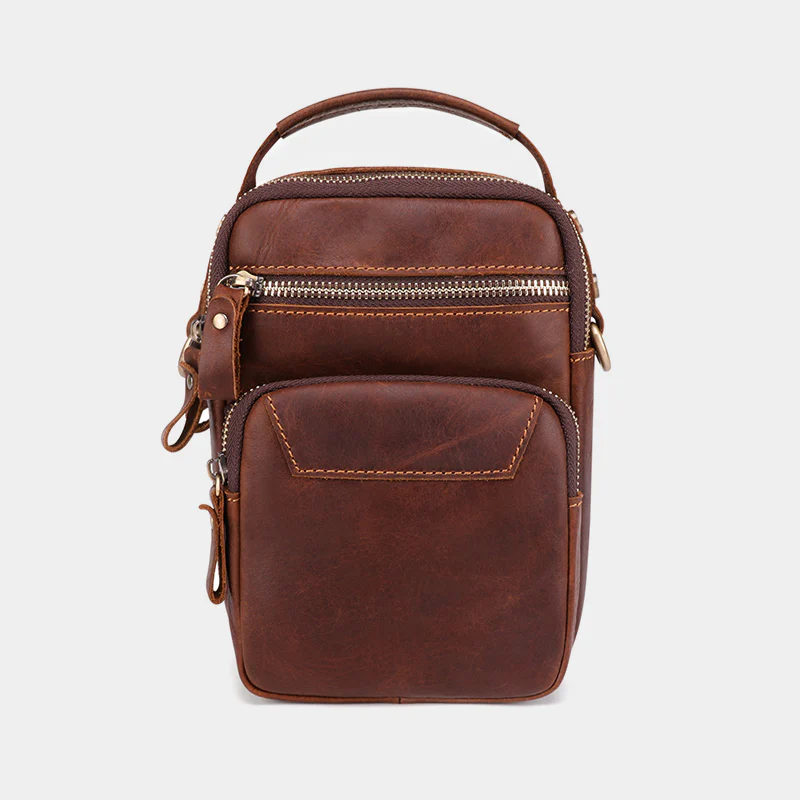
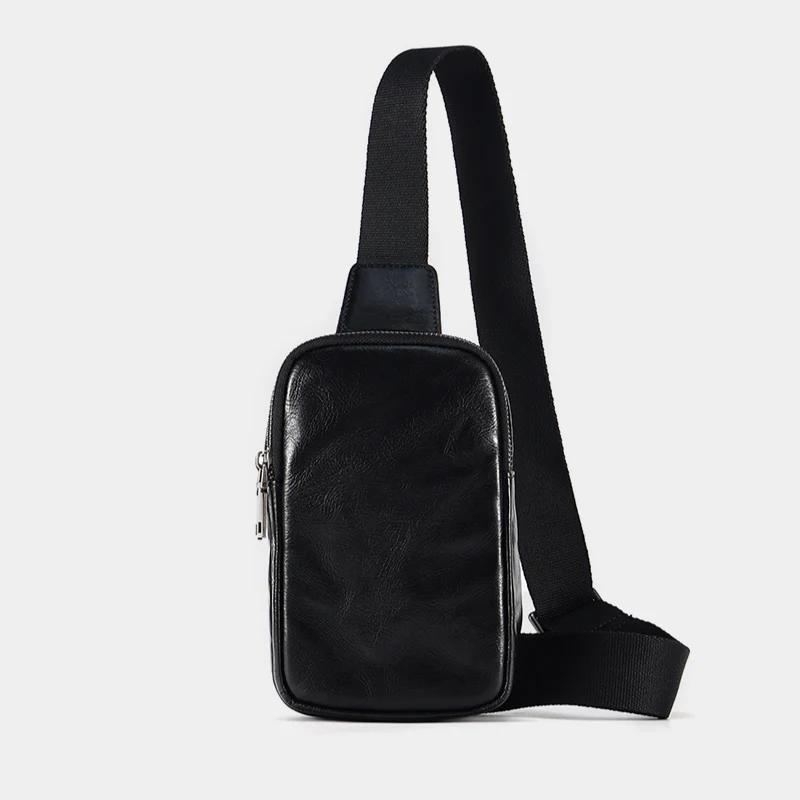
- Top grain — the same layer with the surface lightly corrected for uniformity. Slightly softer hand, slimmer panels, still real structural hide. Our slings and belt bags.
- Genuine leather — a marketing term. Usually the split layer left after the good part is removed, then coated. Peels rather than patinas.
- Bonded leather — leather dust glued to fabric and embossed with a fake grain. This is what flakes.
How to check a hide in thirty seconds
Look at the edge of a panel. Real hide shows a fibrous cross-section that fuzzes slightly; coated splits and bonded show a clean line with a plastic skin on top. Press a thumbnail into an inconspicuous spot: full grain marks and recovers, coated leather creases and stays creased.
Then smell it. Cured hide smells like hide. Anything sweet or chemical is finish, not leather.
Why we never buy split or coated leather
A coated split can look identical to full grain for about a year. After that, the failure is not gradual — the finish cracks at the flex points and there is nothing underneath to burnish. You cannot repair it, which means it becomes landfill on a schedule.
A note on honesty
We sell bags, so read this with that in mind. Everything above is what we tell friends who ask, and most of it costs nothing. If a cheaper bag does the job for how you carry, buy the cheaper bag.